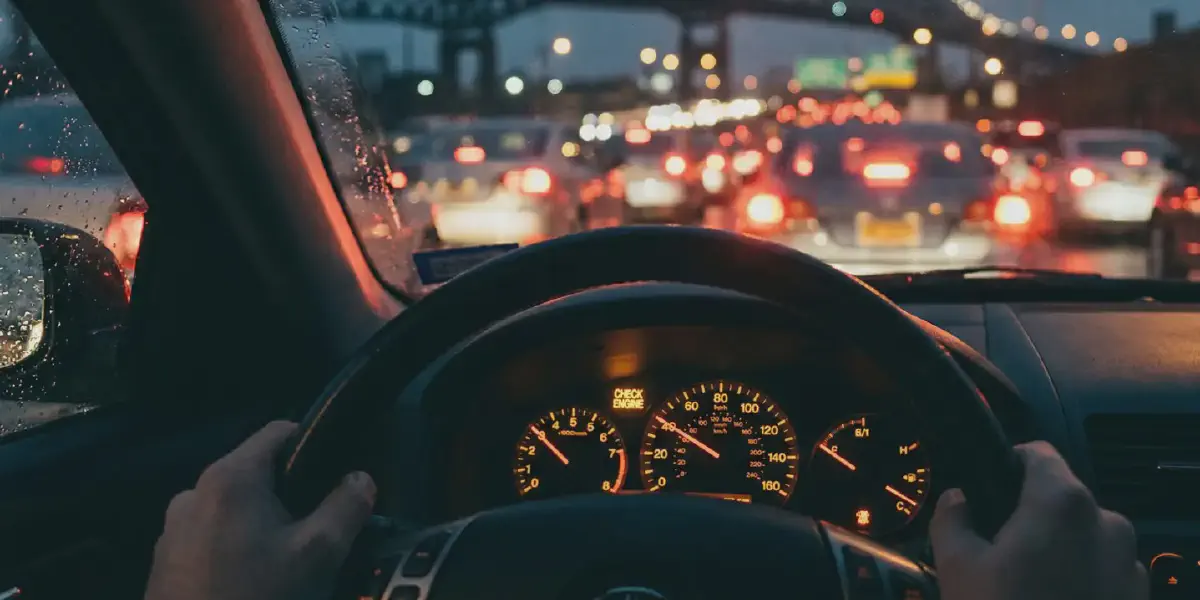
That little orange light on your dashboard—the one shaped like a ghost of an engine—is enough to ruin any Newark driver’s day. If your check engine light in Newark just clicked on while you were idling in traffic on McCarter Highway, don’t throw your hands up yet. It could be something as simple as a loose gas cap or as serious as a failing catalytic converter. But in Jersey, it’s more than just an annoyance; it’s a guaranteed “FAIL” at the state inspection station.
Why the Check Engine Light is a Newark Survival Issue
Addressing a check engine light in Newark is critical for both vehicle longevity and passing New Jersey’s mandatory emissions testing, which automatically rejects any vehicle with an active MIL (Malfunction Indicator Lamp). Data from the NJ Motor Vehicle Commission (MVC) suggests that emissions-related failures account for nearly 30% of initial inspection rejections in urban counties like Essex, making professional diagnostics essential for legal road operation.
Look, I’ve seen people put a piece of black tape over the light and keep driving for years. In some states, you can get away with that. Not here. In Newark, we’ve got the DMV guys who breathe down your neck. If that light is on, you aren’t getting your sticker. And with the cops around here, an expired sticker is a ticket you don’t need. Most of the time, the light is triggered by something small, but if you ignore it, it starts a chain reaction that kills your fuel mileage and eventually your engine.
Common Newark Culprits: From Gas Caps to O2 Sensors
The most frequent causes for a check engine light in Newark include faulty oxygen sensors, worn-out spark plugs, and vacuum leaks, which are often exacerbated by the high-heat cycles of city driving. Automotive industry statistics indicate that a faulty O2 sensor can reduce fuel economy by up to 40%, costing the average Newark commuter an additional $500 per year in wasted gasoline.
Living in the city means a lot of short trips. Your engine never really gets up to a good operating temperature, which is murder on your sensors. I see a lot of O2 sensors getting “lazy” around here. Then there’s the gas cap—did you click it three times when you filled up at the station on Elizabeth Ave? If that seal is bad, the computer thinks there’s a leak in the fuel system. It’s the easiest fix in the book, and I’ve seen shops charge $100 just to tighten the cap for a customer.
The NJ State Inspection Survival Guide
Passing the NJ State Inspection with a check engine light requires professional-grade OBD-II diagnostics to clear “permanent” codes and ensure all “readiness monitors” have been reset through a specific driving cycle. Simply disconnecting the battery to turn off the light will not work; the DMV’s computers will detect that the system is “not ready,” resulting in an automatic failure and a 60-day repair window.
This is where people get tripped up. They clear the code right before they pull into the inspection line on Frelinghuysen Ave. Guess what? The inspector’s computer knows. It looks for “monitors”—basically, the car needs to drive 20 to 50 miles in a specific way (some highway, some city) to prove that the problem is actually fixed. If the monitors aren’t “set,” you’re going home without a sticker.
How a Real Newark Pro Diagnoses the Light
A professional check engine light diagnostic in Newark involves using a high-end scan tool to read “live data,” checking fuel trims, and performing a smoke test for vacuum leaks. While a free code scan from a parts store provides the “P-code,” it does not pinpoint the root cause; for example, a “Lean” code (P0171) could be caused by anything from a $5 hose to a $400 fuel pump.
When I hook up my scanner, I’m not just looking for the code. I’m looking at what the engine was doing the second the light came on—how fast you were going, how hot the coolant was, even the air pressure. That’s called “Freeze Frame Data.” That’s how I know if your sensor is actually broken or if it’s just reacting to a leak somewhere else. Don’t be a “part-changer.” Diagnose it right the first time.
Conclusion: Don’t Let the Light Win
The check engine light in Newark isn’t a death sentence for your car, but it is a call to action. Whether it’s an emissions issue or a performance glitch, getting it handled early is the only way to keep your ride on the road and out of the DMV’s crosshairs.
Brick City is tough on engines, but a little maintenance goes a long way. Don’t ignore the ghost in the machine.
Keep your eyes on the road.